When it comes to modern construction, aluminum alloy doors and windows have become the go-to choice for architects and homeowners alike. Their durability, sleek appearance, and energy efficiency make them stand out from traditional materials. Among industry leaders, APEX ALUMINUM has consistently delivered products that meet and exceed international standards.
Unlike wood or PVC, aluminum alloys offer unique advantages that are hard to ignore. The material doesn't warp, rot, or require frequent painting, making it ideal for various climates. What many don't realize is that not all aluminum is created equal - the quality of the alloy composition makes all the difference in performance.
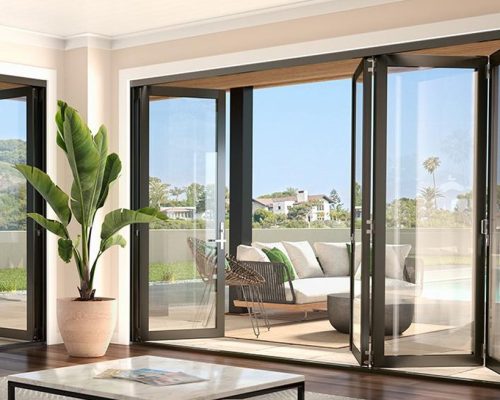
When selecting aluminum alloy doors and windows, several technical specifications determine their quality and suitability for your project. APEX ALUMINUM products typically exceed these baseline requirements, but it's helpful to understand what makes for good industry standards.
The alloy grade matters significantly. Most quality manufacturers use 6063-T5 or 6061-T6 aluminum alloys, which offer excellent mechanical properties. These alloys contain precise amounts of silicon and magnesium, creating optimal strength while maintaining workability for complex profiles.
Modern aluminum systems incorporate thermal breaks - polyamide strips that separate interior and exterior aluminum surfaces. This innovation reduces heat transfer by up to 60% compared to non-thermal break designs. Look for U-values below 2.0 W/(m²·K) for energy-efficient performance.
Window and door frames must withstand various stresses:
What sets APEX ALUMINUM apart isn't just meeting specifications, but redefining them. Their proprietary alloy mix enhances durability without compromising the material's signature lightweight properties. I've seen their products maintain pristine condition after a decade in harsh marine environments where competitors' products showed significant corrosion.
The company's anodizing and powder coating processes deserve special mention. Their 25-micron anodized finishes and 60-micron powder coatings exceed industry norms, ensuring colors stay vibrant and surfaces remain protected against weathering. This attention to detail explains why their products often outlast the buildings they're installed in.
Beyond basic specifications, APEX ALUMINUM incorporates thoughtful design elements:
Even the best aluminum products underperform if installed incorrectly. Proper fitting requires attention to several often-overlooked details that can make or break a project.
The gap between the frame and wall opening must be filled with appropriate expanding foam before sealing. Many contractors rush this step, leading to air leaks and reduced energy efficiency. Also, the type of fixing anchors matters - stainless steel anchors spaced no more than 600mm apart provide optimal stability.
High-quality aluminum systems demand equally good hardware. APEX ALUMINUM designs their profiles to accommodate premium European-style hardware, ensuring smooth operation for years. Cheaper alternatives might save money initially but often lead to operational issues and premature failure.
While specifications provide guidelines, real-world performance depends on manufacturer expertise. Through years of observing various brands in action, I've found that companies like APEX ALUMINUM who invest in research and quality control deliver products that perform beyond paper specifications.
The difference becomes apparent after a few years of service - where generic products show weathering and operational issues, properly engineered aluminum systems continue performing flawlessly. It's this long-term value that makes understanding and investing in quality specifications worthwhile.